Unfunded List
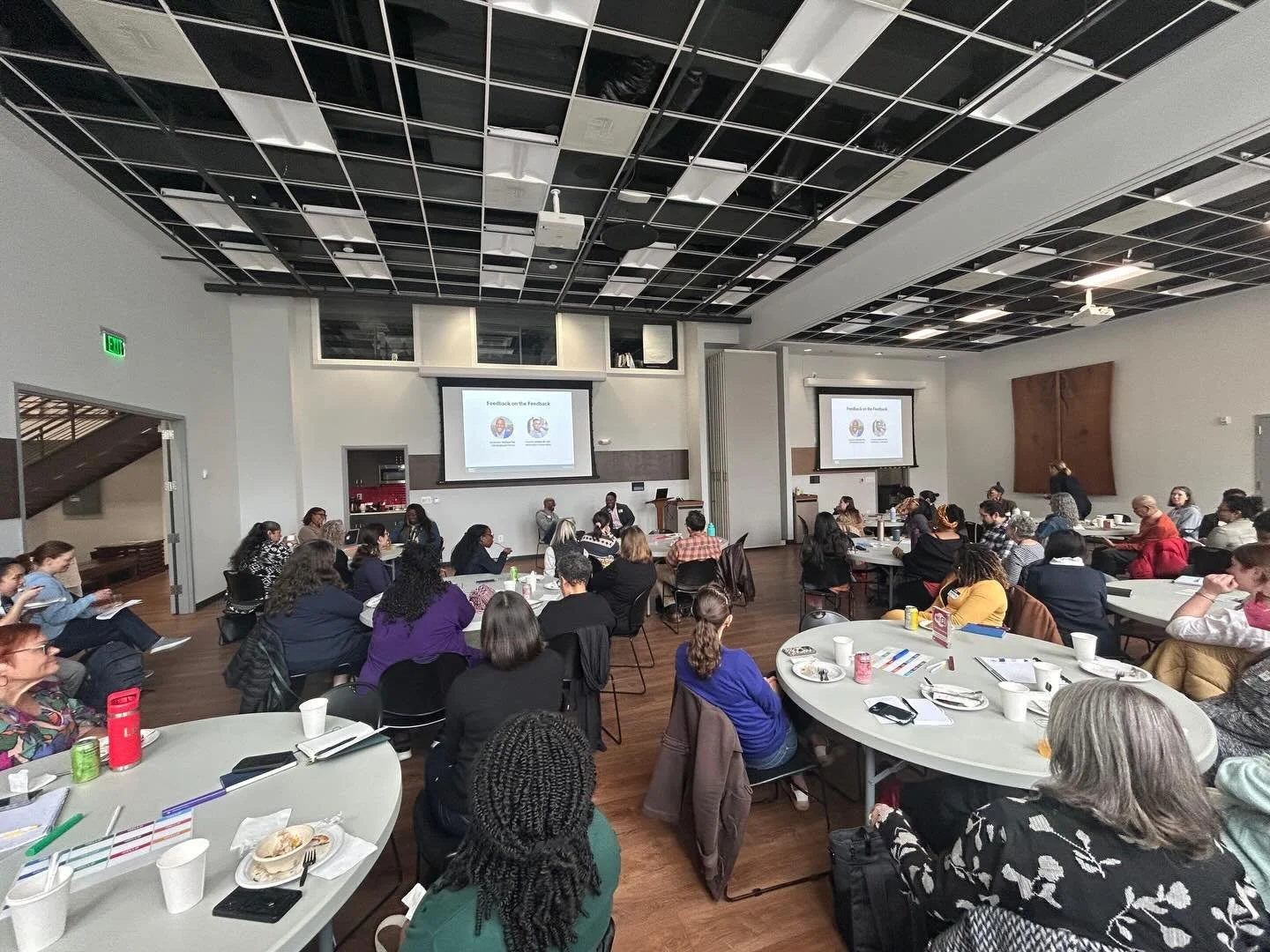
TODAY it was great to share a few insights from my experiences writing grants, proposals and securing funding for arts and education projects in the DMV region for over a decade.
Thank you to founder Dave Moss for the invitation!
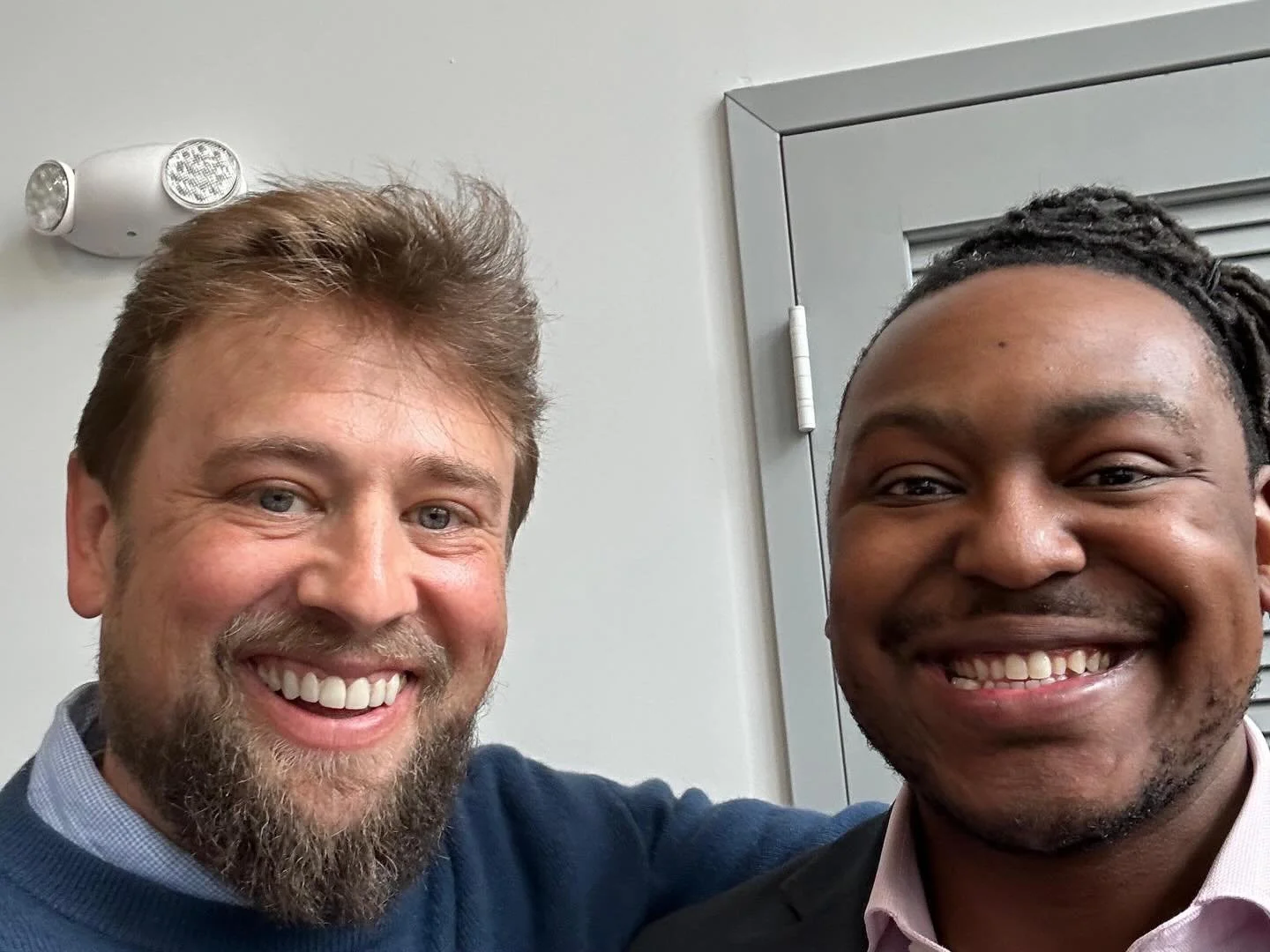
Community First: Why Washington, DC Needs More Community-Centered Arts Programming
By Andrew Lee – for Unfunded List Reviewers United
Our nation’s capital in Washington is known for its world-class cultural institutions—renowned museums, orchestras, and performing arts centers that attract global audiences. They often shift the culture and chart a path for educators, researchers, musicians and artists to follow. These institutions are important civic assets. Yet some of the most meaningful cultural impact in our city is happening not in monumental buildings, but in neighborhood schools, community centers, churches, and small arts spaces where people gather not just to watch art, but to participate in it.
Community-centered arts programming places people at the heart of cultural life. When residents sing in a choir, learn an instrument, attend a neighborhood concert, or help shape a performance in their own community, the arts become more than entertainment—they become a tool for connection, belonging, and civic identity. Research consistently shows that participation in community arts programs strengthens social ties, increases confidence among youth, and improves mental well-being while building stronger neighborhood networks.
In this region, we are one of the most diverse and historically layered regions in the United States—community arts also serve as a way to honor local stories. Across the District, grassroots organizations and neighborhood arts spaces have demonstrated how culture can transform communities by bringing people together around shared history, creativity, and dialogue. These programs often reach audiences that traditional institutions cannot, particularly youth, seniors, and residents in underserved neighborhoods that have historically had fewer arts resources.
For organizations like the Washington Conservatory of Music and other community-driven groups, this means meeting people where they are—literally. Music programs in public schools, concerts in neighborhood venues, and workshops led by practicing artists help build relationships that last far beyond a single performance. The goal is not simply to present art, but to cultivate participation, mentorship, and pathways for the next generation of artists and cultural leaders.
At a moment when many arts organizations are grappling with financial pressures and shifting audiences, community-centric programming offers a powerful model for sustainability. When people feel ownership of cultural spaces and programs, they are more likely to support them—as volunteers, advocates, and donors. In this sense, community building is not just a social mission; it is a strategic one.
Washington’s cultural future will not be shaped only by its largest institutions, but by the strength of its local creative ecosystems. If we want the arts to remain relevant, inclusive, and transformative, we must continue investing in programs that build community from the ground up—one rehearsal, one workshop, and one neighborhood gathering at a time.